Goods Held at Customs? What Happens Next? | World SORA

You’ve arranged your international shipment, the goods are on their way and you’re expecting everything to arrive on time.

Then you get an update:

“Your goods have been held at Customs.”

It’s not the message any business wants to receive. If you’re waiting for stock, materials or products to arrive, even a short delay can cause problems further down the line.

But why do goods get held at Customs, what happens next and, most importantly, how can you get your shipment moving again?

The good news is that a Customs hold doesn’t automatically mean there’s a serious problem. In many cases, Customs simply needs some additional information, documentation or clarification before the goods can be released.

Why Do Goods Get Held at Customs?

There are several reasons why goods may be held at Customs.

Sometimes it’s something straightforward, such as missing information on a Commercial Invoice . In other cases, Customs may need to carry out additional checks on the goods or confirm that the correct duties and taxes have been accounted for.

Common reasons for a customs delay include:

  • Missing or incorrect Customs documents
  • An incorrect commodity code
  • An unclear or inaccurate description of the goods
  • Issues with an EORI number
  • Unpaid or incorrectly calculated duties and taxes
  • Questions about the value of the goods
  • Import or export restrictions
  • Missing licences, certificates or permits
  • A Customs inspection
  • Customs requesting additional information

Even a small mistake can sometimes hold up a shipment, which is why accurate paperwork is so important when shipping internationally.

Customs stop search hold

What Happens When Goods Are Held at Customs?

When a shipment is held, the goods will normally remain under Customs control until the reason for the hold has been dealt with.

The next step depends on why the goods have been stopped.

For example, Customs may ask for additional documents or clarification about the shipment. They might want to confirm the value, description, origin or intended use of the goods.

If the issue relates to duties or taxes , payment may need to be made before the shipment can be released.

In other situations, Customs may decide that the goods need to be physically inspected.

A Customs inspection doesn’t necessarily mean your goods have done anything wrong. Customs authorities carry out checks for a number of reasons, and the shipment can continue once the required checks have been completed.
First time of using. Absolutely excellent! On time, polite, were kept informed via the very easy to use tracker. Will definitely use again!


- Michelle Adams

How Long Can Goods Be Held at Customs?

There’s no fixed amount of time that goods will be held at Customs.

A simple paperwork issue could potentially be resolved quickly once the correct information is provided. However, a physical inspection, missing documentation or a more complicated Customs query can take longer.

This is why responding quickly to Customs requests is important.

If your freight forwarder asks you for an invoice, commodity code , certificate or additional information, providing it as soon as possible can help prevent the delay from becoming longer than necessary.

If your goods are held at customs, you may be asked to provide or confirm information such as:

The information needs to be accurate and consistent across your documentation.

For example, if your Commercial Invoice describes the shipment as “machine parts”, Customs needs to know exactly what the parts are and what they’re used for, further information may be requested.

Being specific is always better than being vague when describing goods for Customs.

Could Import Duties and VAT Cause a Delay?

Yes.

When goods are imported into a country, Customs duties and import VAT may be payable depending on the goods, their value, origin and destination.

If the required charges haven’t been paid or there is uncertainty about how much is due, this can contribute to a shipment being delayed.

It’s therefore important to consider potential Customs charges before arranging your international shipment, rather than discovering them once the goods have arrived at the border.

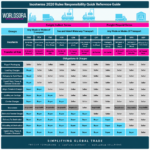
Your Incoterm can also determine which party is responsible for certain costs and customs responsibilities.

For example, under DAP (Delivered at Place), the buyer is generally responsible for import Customs clearance, duties and taxes . Under DDP (Delivered Duty Paid), the seller generally takes responsibility for these areas.

Understanding your Incoterm before shipping can help avoid confusion over who needs to arrange and pay for import clearance.

What Should You Do If Your Goods Are Held at Customs?

If you’ve been told your shipment is being held at Customs, the first thing to do is find out why.

Don’t assume that the shipment has been rejected or that something is seriously wrong.

Ask your Freight Forwarder or customs agent what information Customs has requested and what needs to happen before the goods can be released.

You may then need to:

  1. Provide missing or corrected documentation.
  2. Confirm the Commodity code or goods description.
  3. Provide information about the value or origin of the goods.
  4. Arrange payment of any outstanding duties or taxes.
  5. Provide a required licence, certificate or permit.
  6. Wait for a Customs inspection to be completed.
The quicker the issue is identified and dealt with, the sooner your shipment can potentially continue its journey.

How Can You Avoid Customs Delays?

You can’t prevent every Customs inspection or query. However, good preparation can significantly reduce the risk of avoidable delays.

Before your goods leave, check that you have:

Accurate commercial documentation

Make sure your invoices and other documents contain the correct descriptions, values, quantities and shipment details.

The correct commodity code

Your goods need to be classified correctly for Customs purposes. An incorrect Commodity code can lead to incorrect duty calculations and additional questions.

The appropriate EORI number

Make sure the relevant EORI details are correct and are being used where required.

Any required licences or certificates

Some goods have additional import or export requirements. Check these before the shipment is dispatched.

A clear Incoterm

Make sure both the buyer and seller understand who is responsible for Customs clearance, duties and taxes .

The right freight forwarder

If you’re not familiar with international customs procedures, working with an experienced Freight Forwarder can make the process much easier.

How Can a Freight Forwarder Help When Goods Are Held at Customs?

This is where having the right support can really make a difference.

When goods are held at Customs, you’re often dealing with several moving parts at once. You may need to provide documents, answer Customs queries, arrange payments or understand exactly what is preventing the shipment from being released.

An experienced Freight Forwarder can help coordinate the process and communicate with the relevant parties, helping you understand what’s required to get your goods moving again.

At WorldSora we support businesses with international freight forwarding and Customs clearance, helping businesses navigate the complexities of moving goods across borders.

Whether you’re importing into the UK or exporting internationally, we can help with the logistics and Customs requirements involved in your shipment.

Goods Held at Customs? Don't Panic.

Finding out that your goods have been held at Customs can be frustrating, especially when you’re working to a deadline.

But a Customs hold doesn’t automatically mean there’s a major problem.

In many cases, Customs simply needs more information, documentation or payment before the goods can be released.

The best way to reduce delays is to prepare your shipment properly from the beginning. Make sure your documentation is accurate, your goods are correctly classified and everyone understands their customs responsibilities.

And if something does go wrong, having an experienced freight forwarding partner on hand can make the process much easier.

Need help with customs clearance or an international shipment? ContactWorldSora on 02081948463 to discuss your freight forwarding requirements.

Share

Related Blogs

Contact Us

We'd Love To Hear From You

Get in touch today to explore how our services can benefit your business. Experience the peace of mind that comes with complete transparency and control.