

DAP vs DDP: What’s the Difference? | 2026

If your business imports or exports goods internationally, you may have come across the terms DAP and DDP. But what do they actually mean, and which one is right for your shipment?

Both DAP and DDP are Incoterms used in international trade. They help buyers and sellers understand who is responsible for different parts of the shipping process, including transportation, Customs clearance, duties and taxes.

Although DAP and DDP sound similar, there is one important difference to understand: who is responsible for import Customs clearance, duties and taxes?

Getting this wrong could result in unexpected costs or delays, so it’s worth understanding the difference before your goods are shipped.

What Does DAP Mean?

DAP stands for Delivered at Place.

Under DAP, the seller is responsible for arranging and paying for transportation to an agreed destination. However, the buyer is responsible for import Customs clearance, duties and taxes once the goods reach the destination country.

Put simply:

DAP = The seller delivers, the buyer imports.

For example, imagine a UK business purchases machinery from a supplier in Germany under DAP terms.

The German supplier arranges transportation and delivers the machinery to the agreed destination in the UK. The UK business is then responsible for arranging import customs clearance and paying any applicable import duties and VAT.

Under DAP, the seller generally handles:

  • Preparing the goods for transport
  • Export customs clearance
  • Transportation to the agreed destination
  • Costs and risks involved in getting the goods to that destination

The buyer generally handles:

  • Import customs clearance
  • Import duties and taxes
  • Import-related charges
  • Unloading the goods at the destination
DAP can be a useful option for businesses that regularly import goods and already have a Freight Forwarder  or customs agent to manage the import process.
incoterms

What Does DDP Mean?

DDP stands for Delivered Duty Paid.

DDP places more responsibility on the seller. Under DDP shipping, the seller arranges transportation to the agreed destination and is also responsible for import customs clearance, duties and taxes.

Put simply:

DDP = The seller delivers and handles the import process.

For example, if a UK business purchases goods from an overseas supplier under DDP terms, the supplier would generally arrange the shipment, clear the goods through UK Customs and pay the applicable import duties and taxes.

For the buyer, this can create a simpler shipping process because the seller takes care of most of the logistics and customs requirements.

However, DDP is not automatically the best option for every shipment. The seller needs to be able to meet the import requirements of the destination country and understand the relevant customs and tax obligations

Great service. Phoned for two emergency deliveries at the last moment and WorldSORA bent over backwards to book us in and they made the deliveries in the times stated. Very reasonably priced too. Really great service, would definitely use again and would definitely recommend.


- Toni Thorne-Barratt Homes

DAP vs DDP: What’s the Difference?

The main difference between DAP and DDP is who is responsible for import customs clearance, duties and taxes.

ResponsibilityDAPDDP
Export customs clearanceSellerSeller
International transportSellerSeller
Import customs clearanceBuyerSeller
Import dutiesBuyerSeller
Import taxesBuyerSeller
Unloading at destinationBuyerBuyer

The easiest way to remember the difference is:

DAP: Seller delivers → Buyer handles the import.

DDP: Seller delivers → Seller handles the import, duties and taxes.

While that may sound like a small difference, it can have a significant impact on the costs and responsibilities associated with an international shipment.

Is DAP or DDP Better?

There isn’t one Incoterm that is right for every business.

The best option will depend on the type of goods you’re shipping, the countries involved and which party is best placed to manage the customs process.

DAP could be suitable if you:

  • Regularly import goods
  • Already work with a freight forwarder or customs agent
  • Want control over your import customs clearance
  • Understand the customs requirements in your destination country
  • Prefer to manage your own duties and taxes

DAP can give an experienced importer more control over the import side of the shipment.

DDP could be suitable if you:

  • Want a simpler importing process
  • Don’t regularly deal with customs
  • Want your supplier to manage most of the shipment
  • Prefer the seller to arrange import clearance and pay applicable duties and taxes

However, businesses should not assume that DDP will always be cheaper or easier.

There can be additional considerations around VAT, customs duties and importer responsibilities, depending on the destination country and the goods being shipped.

That’s why it’s important to understand exactly what your agreed Incoterm means before the shipment leaves the supplier.

Why Do Incoterms Matter?

International shipping already involves plenty of moving parts. The last thing you want is confusion over who is responsible for clearing your goods through customs when they arrive.

This is why understanding Incoterms is so important.

Incoterms  provide an internationally recognised way for buyers and sellers to define their responsibilities during a shipment. They help establish who is responsible for transportation, customs procedures, costs and risk.

Choosing the right Incoterm at the beginning of a shipment can help avoid misunderstandings and unexpected costs later.

For example, a business might agree to DAP thinking that the supplier is responsible for the entire delivery process, only to discover that they are responsible for import customs clearance, duties and taxes.

Understanding the terms before shipping can help prevent these surprises.

How Can a Freight Forwarder Help?

International freight forwarding involves much more than simply moving goods from one country to another.

Depending on the shipment, businesses may need to arrange transportation, prepare documentation, complete customs formalities and account for duties and taxes.

Working with an experienced Freight Forwarder can make the process much easier. They can help coordinate the different stages of an international shipment and provide guidance on the customs requirements involved.

At WorldSora , we support businesses with international freight forwarding and customs requirements, helping make international shipping simpler and more straightforward.

Whether you’re importing goods into the UK, exporting overseas or unsure which Incoterm is right for your shipment, getting the right advice before your goods are dispatched can help prevent unnecessary delays and unexpected costs.

DAP vs DDP: Which One Is Right for You?

Ultimately, the difference between DAP and DDP comes down to who is responsible for the import side of the shipment.

With DAP, the seller arranges delivery to the agreed destination, while the buyer handles import customs clearance, duties and taxes.

With DDP, the seller takes responsibility for import clearance, duties and taxes as well as arranging delivery to the agreed destination.

Neither option is automatically better. The right choice depends on your business, your shipment and who is best placed to manage the import process.

Not sure whether DAP or DDP is right for your next international shipment?

Speak to WorldSora about your freight forwarding and customs requirements. Our team can help you understand your options and plan your shipment from the start.

This can be particularly valuable if you’re importing or exporting regularly or shipping internationally for the first time.

At WorldSora, we understand that customs can sometimes feel complicated. Our team can support businesses with their international freight forwarding and Customs requirements, helping to make the process as straightforward as possible.

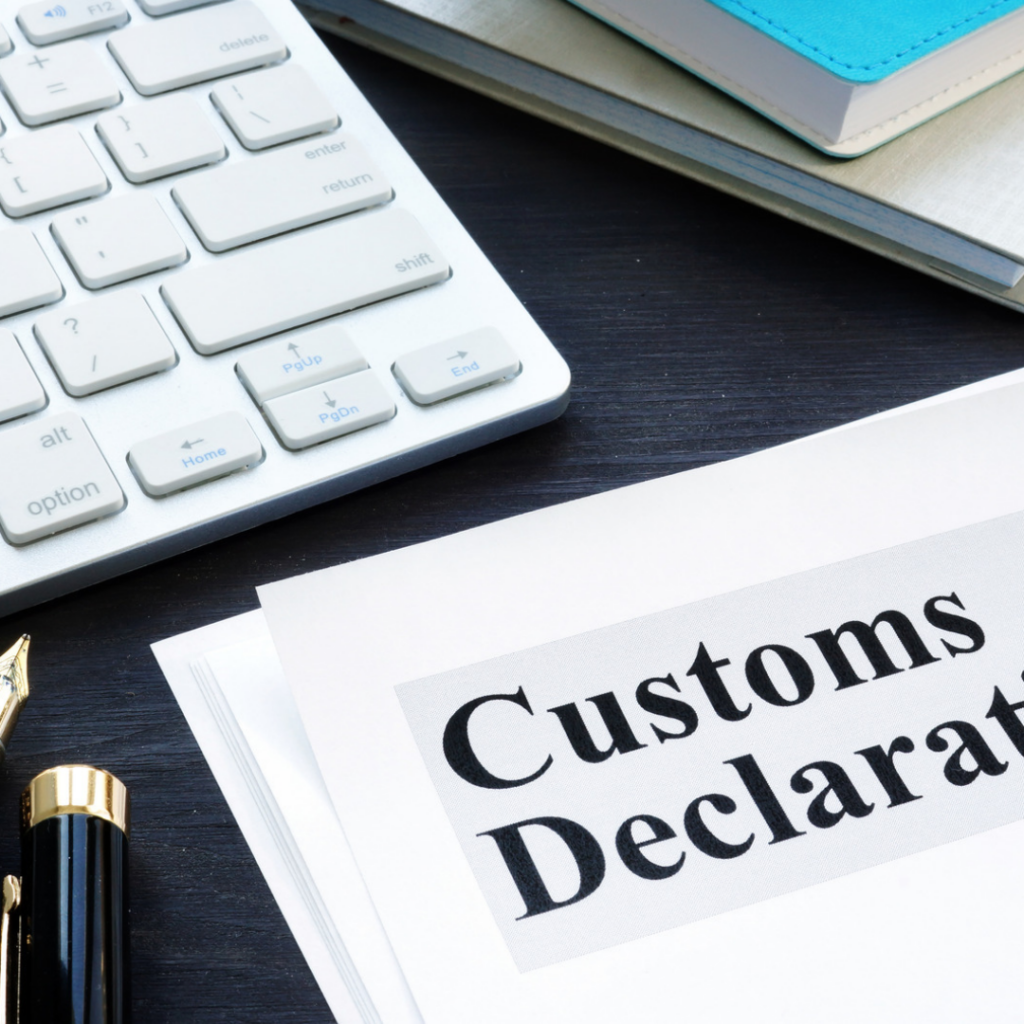
From Customs declarations and transit documentation to international road, air and sea freight, we can help businesses plan and manage their shipments.

Contact us today on 02081948463

Share

Related Blogs

Contact Us

We'd Love To Hear From You

Get in touch today to explore how our services can benefit your business. Experience the peace of mind that comes with complete transparency and control.